
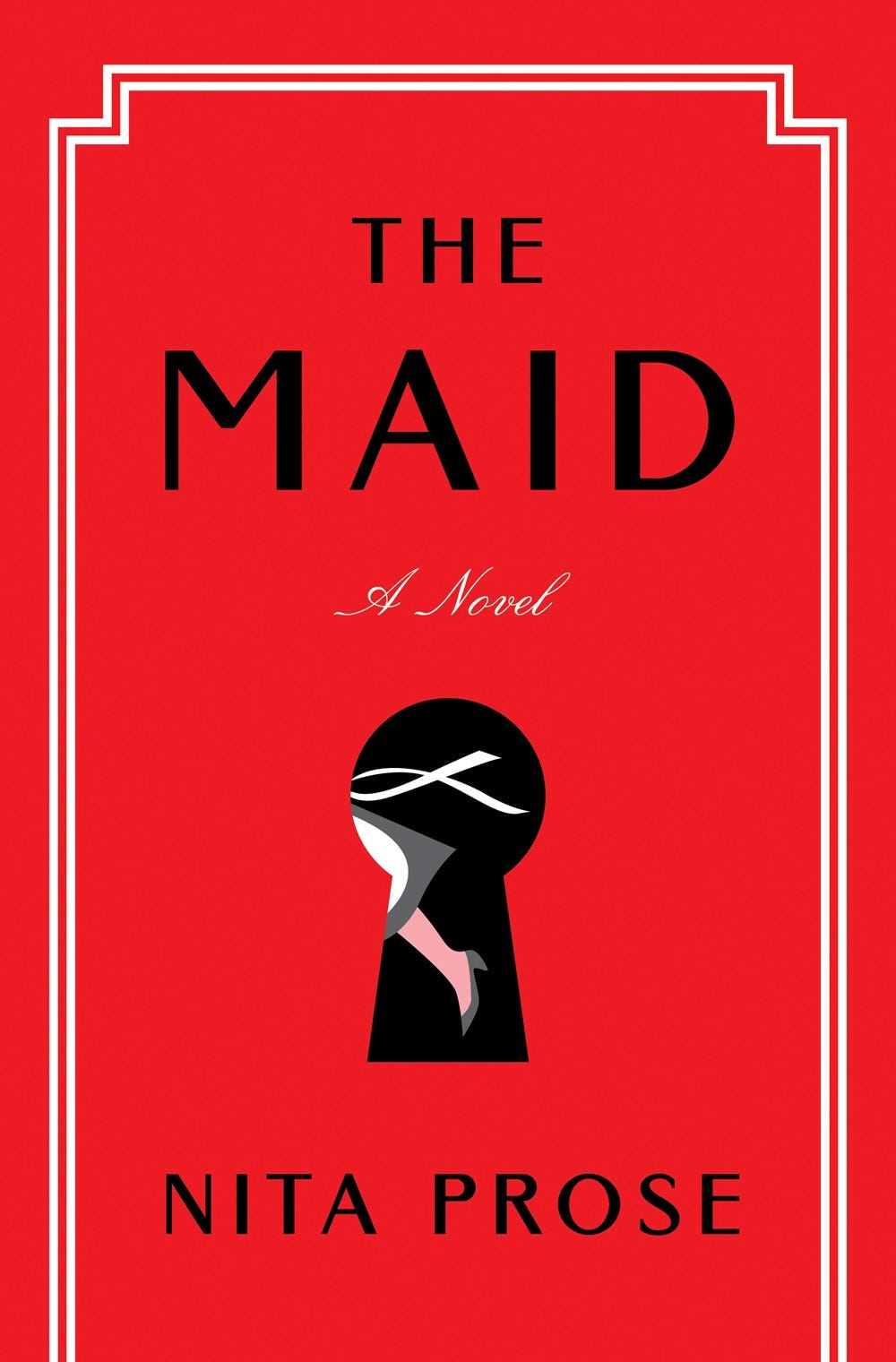
The central character, Molly, seems to exhibit characteristics consistent with neurodivergence, although it is never explicitly addressed or labelled within the narrative. While I lack professional expertise or personal experience with autism, Molly’s traits align with classically shown symptoms.
The fact that others in the story dismiss Molly’s idiosyncrasies as mere oddities, considering them a running joke, mirrors real-life situations where individuals may misinterpret behavioural nuances. This reflects frequent societal attitudes towards neurodivergent individuals, echoing the unfortunate tendency to perceive them as ‘naughty’ or ‘undisciplined.’ There are, however, characters in the book who empathize with Molly’s unique perspective, raising the question of whether her grandmother’s decision not to seek a diagnosis influences how others perceive Molly.
Personally, I couldn’t help but label Molly as neurodivergent, perhaps as a means of understanding her character better. The narrative, set in the Regency Grand hotel amidst a murder mystery, skilfully weaves multiple subplots, keeping readers engaged. Molly, with her unconventional approach, becomes a primary suspect. While the reader may not fully embrace this perspective, we embark on a journey alongside Molly and her friends to decipher the truth.
Diving deeper into the narrative, the complexity of Molly’s character adds layers to the story. Her neurodivergence, though not explicitly acknowledged, becomes a lens through which the reader interprets her actions. The subtle exploration of societal attitudes toward neurodivergent individuals serves as a poignant commentary. The book skillfully navigates the delicate balance between shedding light on the challenges faced by Molly without reducing her character to a mere stereotype. This nuanced approach not only enhances the narrative’s depth but also prompts reflection on the broader issues of understanding and accepting neurodiversity.
The murder mystery itself unfolds like a carefully orchestrated puzzle, with Molly’s atypical perspective providing a refreshing angle. The reader, alongside Molly and her circle, is kept on their toes as they sift through clues and suspects. The frustration at Molly’s mistreatment by both the narrative and the police adds an emotional layer, evoking empathy for her plight.
The supporting characters, particularly Doorman, Mr. Preston, Charlotte, and Juan Manuel, shine as beacons of compassion in Molly’s tumultuous journey. Their unwavering support and genuine care for Molly provide a heartwarming counterbalance to the darker aspects of the story. The dynamics of Molly’s friendships, both toxic and genuine, underscore the narrative’s exploration of human relationships.
The conclusion, marked by unexpected revelations and poetic justice, leaves the reader with a sense of satisfaction. The reminder not to underestimate those in seemingly menial roles lingers, urging readers to reconsider their perceptions. Molly, though seemingly innocent, emerges as a resilient character with a profound understanding of the world around her.
Intrigued by the twists and turns, I find myself looking forward to the author’s future explorations with Molly. The blend of mystery, social commentary, and nuanced character development makes this a compelling read that transcends the boundaries of conventional genres.
 Booklytical